


The Big Question: Is College Really a Waste of Money?
This is a question everyone is asking. Maybe you’ve heard that college is too expensive, and that the debt is not worth it. It’s true that college costs a lot of money and takes up a lot of time. But is getting a degree truly a waste? The answer is not a simple “yes” or “no.” It depends on you and how you approach the experience.
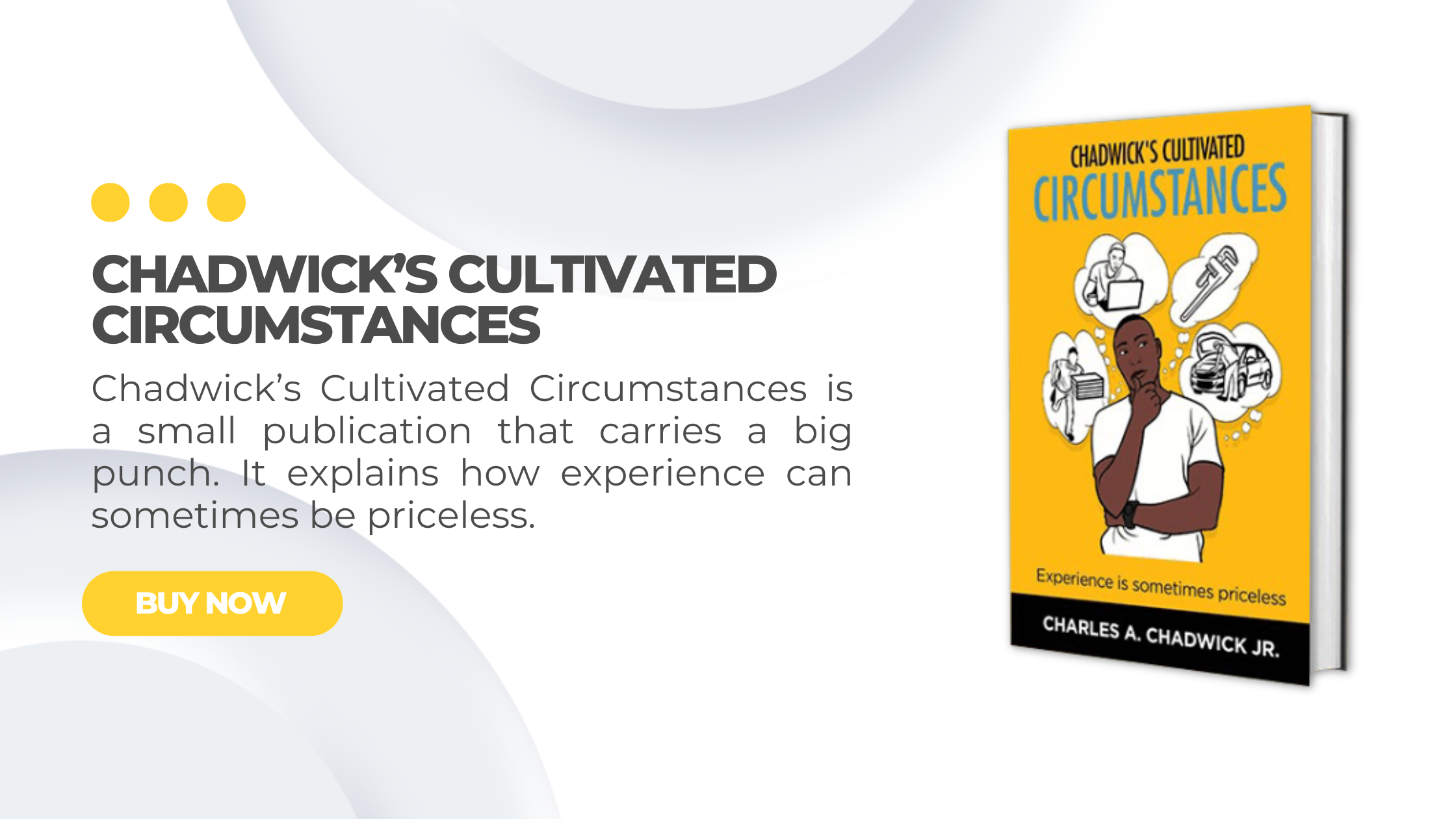
We are going to look at the facts simply. We will explore the genuine cost of college, the amazing benefits it still offers, and, most importantly, the cheaper alternatives to college that are becoming popular today. By the end of this guide, you will have the knowledge you need to decide if higher education is the right investment for your future. The key is planning smart! You might be wondering if the traditional path is even working anymore—it’s fair to question if the College Algorithm has crashed in the face of today’s high costs.
1. The High Price of College: Understanding Student Debt
Before we talk about the good things, let’s look at the terrible things. The biggest worry for most people is the price, especially the student debt that comes with it. The total amount of student debt owed by Americans is exceptionally large, making this a crucial topic for your financial future.
1.1. The Real Cost Goes Beyond Tuition Fees
When people talk about the cost of college, they often only think about the tuition fees. This is the money you pay the school for classes. But the total cost is much bigger than that.
You also have to pay for:
- Housing: Where you live (dorm or apartment).
- Books and Supplies: Textbooks are surprisingly expensive.
- Food: Eating on or off campus.
- Fees: Many extra fees for using the library, the gym, or the computer labs.
- Lost Wages: This is the money you could have earned if you worked full-time instead of going to school.
All these costs add up fast. This is why many students need to take out loans. These loans are what we call college student debt, and paying them back can take years, even decades. This financial pressure is the main reason people ask, “is college a waste of money?“
1.2. The Dangers of Massive Debt
Having a lot of debt when you are young can stop you from doing other important things. For example, it might make it harder to:
- Buy a first house and settle down.
- Start a new business without immediate financial pressure.
- Save money for retirement or emergencies.
This debt doesn’t just affect your wallet; it can affect your mental health and major life decisions for decades. Financial experts call this “lifestyle creep,” where your entire adult life is slowed down by monthly payments. Therefore, while the degree is helpful, if it leaves you buried in debt, the start of your career can be extremely hard. The goal should always be to maximize the college education value while minimizing the amount you have to borrow. To see how other people are tackling this challenge, check out the resources from the Student Loaners Movement: A New Playbook to Break College Debt.

2. The Value Proposition: Why College Still Matters Today
Despite the excessive cost, a college degree still offers huge benefits that you can’t get anywhere else. For most people, the college ROI (Return on Investment)—meaning the money you get back later—is still strong.
2.1. The Salary Gap: Higher Earning Potential
The most talked-about benefit is money. Research shows that people who graduate from college earn much more money over their lifetimes than those who only have a high school diploma. This difference is called the salary gap. You can review the latest data on this topic from the U.S. Bureau of Labor Statistics (BLS) report on earnings by education (External Link).
This doesn’t mean every graduate gets rich, but it means a degree opens the door to jobs that pay a higher earning potential from the very start. The most complex or specialized jobs usually require a four-year degree just to apply. This fact alone shows that getting a degree is often worth the cost.
2.2. Learning Essential Job Skills
College is not just about memorizing facts for a test. It’s about learning essential job skills that employers are looking for. These are skills that a computer cannot easily do.
- Critical Thinking: Learning to look at a problem from every side and find smart solutions.
- Problem-Solving: Figuring out how to fix things when they break or fail.
- Communication: Learning to write clearly, speak well in front of groups, and work on a team.
These skills are often learned outside of your main class—in group projects, debates, and late-night study sessions. They are transferable skills, meaning you can use them in any industry or job.
2.3. Building Your Network and Connections
College is one of the best places to meet people who can help you later in life. This is your network.
- Professors: They are experts who can offer advice, job leads and write letters of recommendation.
- Classmates: The people you meet in school will become managers, entrepreneurs, and leaders in their own fields. Having a network of successful people can help you find your next job or business partner for years down the road. This networking opportunity is a huge part of the college education value.
3. Smarter Options: Cheaper Alternatives to College
In the modern job market, college is no longer the only path to success. Many people are asking about cheaper alternatives to college. These options can often get you into a high-paying job much faster and without massive debt.
3.1. Vocational Training and Trade School
Vocational training or trade school teaches you specific, hands-on skill. These programs are usually much shorter, six months to two years—and cost much less than a four-year college.
Jobs in the skilled trades are in remarkably high demand and pay great salaries. The demand for skilled trade workers is currently very high in the US (External Link Placeholder). These careers include:
- Electricians
- Plumbers
- Welders
- HVAC Technicians (heating and cooling)
If you like working with your hands, and you want to start earning money quickly, a trade school vs college path might be the perfect choice. This is often the best answer for someone who wants to avoid high tuition fees. If you are Tired of College Debt? Try a Trade Skillset for a direct pathway to a great career!
3.2. Coding Bootcamps and Tech Certifications
The technological world changes amazingly fast. Four-year degrees sometimes cannot keep up. Coding bootcamps are short, very intense programs (often 3 to 6 months) that teach you the exact skills needed for a job as a software developer, data analyst, or cybersecurity expert.
- Fast Track: These bootcamps are a fast track to jobs in tech, which often have very high starting salaries.
- Lower Cost: While they are not cheap, they are much less expensive than four years of college. Plus, you start working and earning money much sooner.
3.3. Military Service and Apprenticeships
Other smart alternatives include:
- Military Service: The military pays for job training, offers great benefits, and often pays for 100% of your college if you decide to go later (using the G.I. Bill).
- Apprenticeships: Some companies will hire you right out of high school and train you on the job. You get paid to learn, and there is no debt! These programs are very common in manufacturing, construction, and sometimes even in finance.
4. Making College Worth Every Penny: Maximizing Your ROI
If you decide to go to college, you must be smart about it. Treating college as a business investment will help you get the maximum college ROI and make the experience truly worth the cost.
4.1. Choose a Major with a Clear Career Path
This is one of the biggest ways to make college worth it. While it’s good to explore your passions, you should also pick a major that is known to lead to a job. Do your research!
- High-Demand Fields: Degrees in Nursing, Engineering, Accounting, and Computer Science almost always lead to good jobs with high pay.
- Pairing Fields: If you love a subject that does not have a clear career path (like Philosophy or History), pair it with a practical minor like Business, Data Analysis, or Marketing.
4.2. Internships and Real-World Experience
No matter what you study, internships are critical. An internship is a temporary job that gives you real experience in your field. This real-world practice is often more important to employers than your final grades.
- Practice Skills: Internships let you practice the essential job skills you learn in class. You get to test-drive a career without a long-term commitment.
- Job Offers: Studies show that students with internships are much more likely to get a job offer before they even graduate. This is often the fastest way to turn your expensive degree into a reliable career. Even if the internship is unpaid, the experience and connection are often more valuable than the money you might have made working at a regular part-time job.
4.3. The Power of Personal Branding and Networking
Do not wait for your school to find you a job. You need to build your own personal brand.
- Online Profile: Start a simple LinkedIn profile or a small personal website. Show off your projects, your best essays, and your internship experience.
- Connect Smartly: Every person you meet, a guest speaker, a professor, an older student—could be the connection that lands you your first job. Remember the power of the network we talked about earlier!
5. Financial Strategies: Avoiding Massive College Student Debt
The key to proving that a college education value is high is to pay as little as possible. By following these steps, you can greatly reduce your risk of serious college student debt.
5.1. Focus on Scholarships and Grants
Scholarships and grants are free money you do not have to pay back.
- Grants: Usually based on your family’s income. The government and schools give these out.
- Scholarships: Based on your grades, talents (sports, music), interests (hobbies, volunteer work), or even where your parents work.
You should apply for as many financial aid and grants as you can find. It takes work, but every dollar you get is a dollar you do not have to borrow. This is the best way to pay for college without debt.
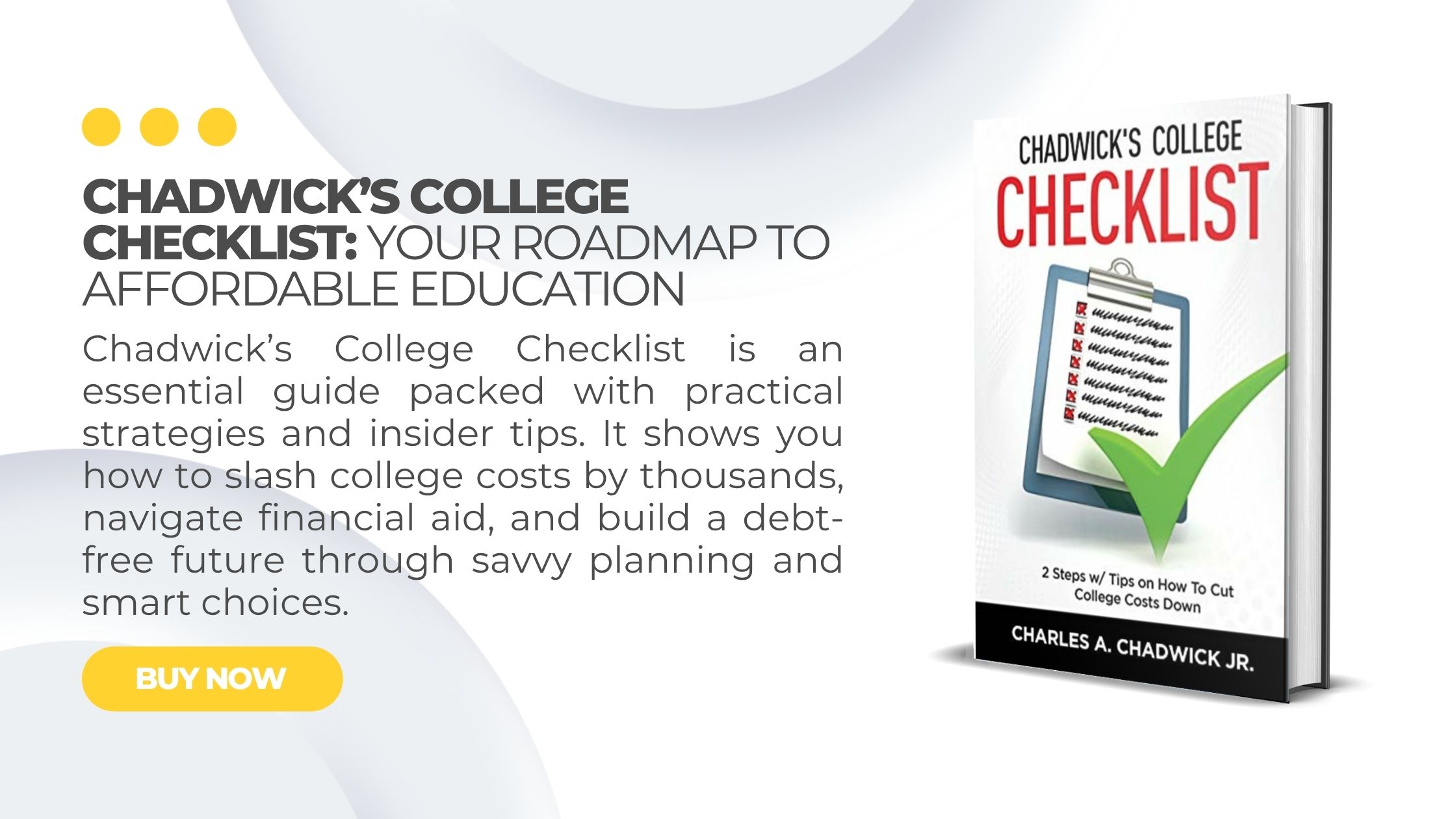
Ready to tackle college without the debt burden? Discover Charles A. Chadwick Jr.’s proven strategies in Chadwick’s College Checklist and learn how to reduce your education costs by up to 40%.
5.2. Start at Community College
A community college offers the same first two years of education as a four-year school, but for a much, much lower price. This is a smart financial move. In fact, learning how Community College Limits Debt Problems is a crucial step for many.
- Lower Tuition: Tuition fees at community college are usually less than half the price of a state university.
- Transfer: You can earn your associate’s degree, save a ton of money, and then transfer to a four-year school for your last two years. You still end up with the same degree, but with far less debt.
5.3. Work Part-Time and Live Frugally
Working even a little bit during school can make a huge difference in avoiding debt. If you can earn $5,000 to $10,000 a year, that is $20,000 to $40,000 you do not have to borrow over four years!
- Work-Study: Look for work-study jobs on campus, which are often flexible with your class schedule.
- Budgeting: Live simply. Cook your own food instead of eating out. Share a cheap apartment instead of living in an expensive dorm. Every small saving helps reduce the debt you will carry later.
6. Get Charles Chadwick Jr.’s Ultimate Debt-Free College Plan
If you want the roadmap to earning your degree without crippling student loans, you need a proven strategy. Charles A. Chadwick Jr. successfully reduced his own college expenses by 40% and shares the exact methods he used in his book, Chadwick’s College Checklist. This resource is designed for American students and families who want practical, actionable steps to turn the tide on rising college costs.
7. Conclusion: Making Your Decision
So, what is the final answer to is college worth it?
A college degree is not a waste of money if you treat it like a smart, serious business investment. If you simply go because you think you have to, rack up massive debt, and do not try to maximize the experience, then it will likely fail to deliver.
The true value of a college education value comes from the effort you put in:
- Smart Choice: Picking a major with high job demand.
- Smart Money: Using financial aid and grants to keep debt low.
- Smart Experience: Gaining real experience through internships and networking.
If you cannot afford college or don’t want to go, remember that cheaper alternatives to college like vocational training and apprenticeships offer excellent career paths. The goal is to gain essential job skills and start earning a great salary, regardless of the path you choose. Take the time to plan your path carefully, and you will set yourself up for financial freedom and success.
